
Each stage of a divorce real estate transaction raises different questions. These guides are organized to help homeowners and their legal counsel locate relevant information at the right point in the process — from early-stage housing decisions to post-sale considerations.
All guides are written for informational purposes only and do not constitute legal advice. Consult a licensed Georgia family law attorney before making property decisions.
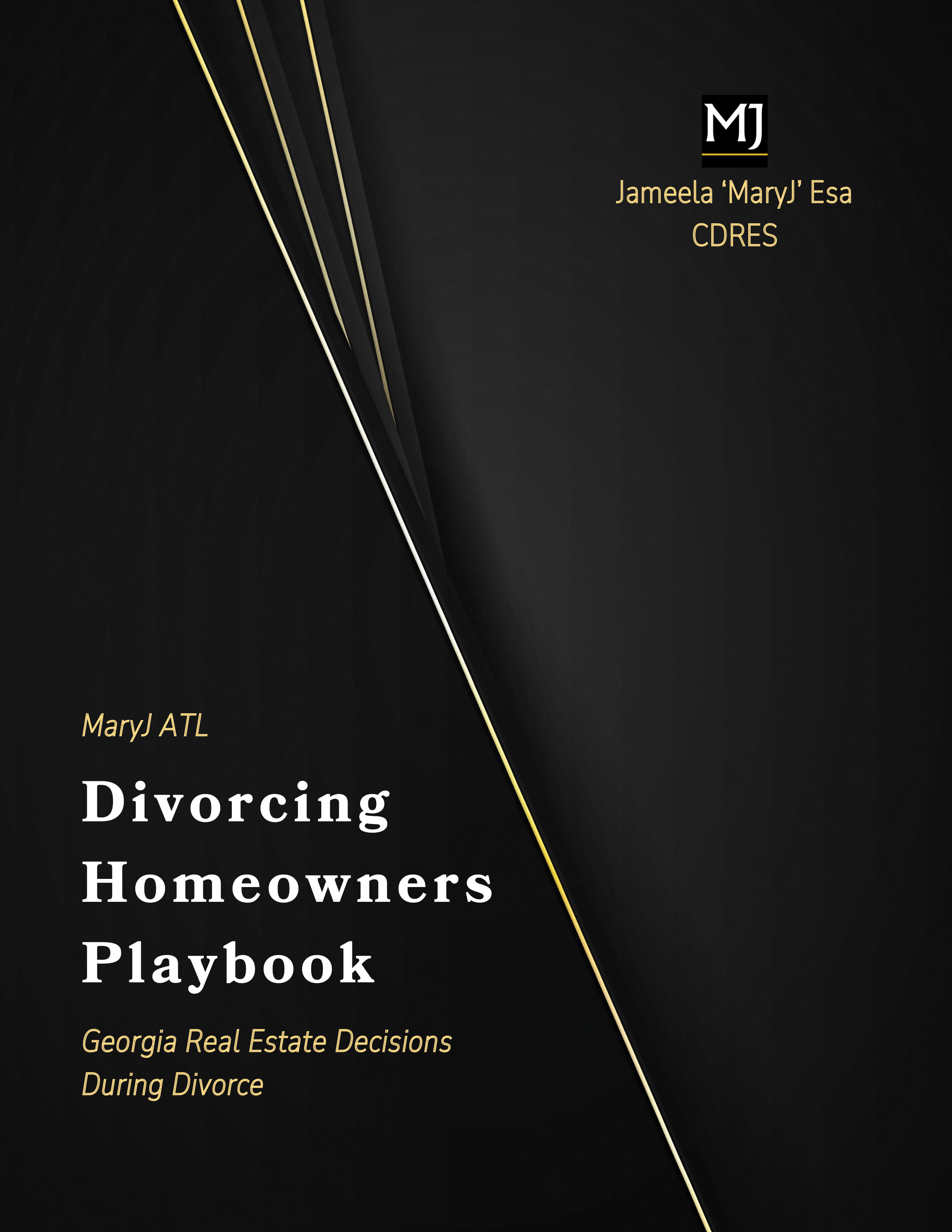
Divorcing Homeowners Playbook
A practical field guide to Georgia real estate decisions during divorce — from pre-filing through closing. Covers your three primary paths, property rights, CMA documentation, and the full listing process.
Get the Playbook →Selling During Divorce in Georgia
A practical walkthrough of the listing process for Georgia homeowners in active divorce proceedings — including consent requirements, how the listing is managed, and how proceeds are handled at closing.
Read the Guide →Divorce Housing Timeline
A reference guide to the key real estate milestones that occur across a typical divorce proceeding in Georgia — from pre-filing through post-decree. Helps homeowners and attorneys anticipate what needs to happen at each stage.
Read the Guide →Divorce Real Estate FAQ
Answers to common questions from Georgia homeowners and family law professionals regarding the real estate process during divorce — covering consent, documentation, market value, and coordination with legal counsel.
Read the FAQ →Real Estate Topics
Focused articles on specific Georgia divorce real estate topics — covering market positioning, equity considerations, property condition, and other factors relevant to sellers navigating a life transition.
Browse Topics →Tools & Resources
Alongside the guides, the following tools support informed decision-making at each stage of the process.
- Home Selling Tools — Market analysis, strategy consultation, and data resources
- Market Insights — Atlanta metro context for pricing and timing decisions
- Request a CMA — Data-supported current market value estimate
- Strategy Consult — Structured conversation about your property and situation